Panama Ship Registry 2026: compliance pressure, fleet trends, and why shipowners continue choosing the Panama flag
Panama's Maritime Registry enters 2026 under a different global environment
Panama continues to operate the world's largest ship registry, but the global maritime environment surrounding vessel registration has changed significantly in recent years.
Sanctions enforcement, beneficial ownership transparency, environmental compliance, insurance restrictions, and geopolitical shipping disruptions are forcing shipowners and operators to assess not only registration costs, but also regulatory responsiveness, banking perception, and long-term operational flexibility.
In this environment, Panama remains one of the most strategically important maritime jurisdictions worldwide, although expectations placed on the major registries are considerably higher than they were a decade ago.
For many operators, the discussion is no longer simply "where to register a vessel," but how to balance compliance, operational efficiency, financing requirements, and international commercial exposure.
Why the Panama flag still dominates global shipping
Despite growing international scrutiny in the maritime sector, Panama maintains a dominant position in the global ship registry.
Part of this is structural. Panama combines a globally recognized registry, extensive maritime infrastructure, international legal familiarity, mortgage registration capacity, and one of the largest maritime administrative networks in the world.
For commercial operators, these factors remain highly relevant.
In practice, shipowners continue to prioritize jurisdictions capable of handling cross-border transactions, fleet restructuring, financing registrations, provisional documentation, and international operational requirements with relative efficiency.
This is especially relevant for vessels operating across multiple jurisdictions and charter structures.
At the same time, the Panama flag maintains a strong presence not only among large commercial fleets, but also in the private yacht and offshore ownership structure sectors.
Compliance becomes central to ship registration decisions
One of the biggest changes affecting the maritime industry in 2026 is the growing importance of the compliance infrastructure surrounding vessel ownership and registration.
International banks, insurers, counterparties, and maritime authorities are placing greater emphasis on ownership transparency, sanctions exposure, the vessel's commercial history, beneficial ownership verification, and operational compliance records.
As a result, vessel registration today involves far more scrutiny than in previous years.
This is especially relevant for older fleets, vessels operating in higher-risk jurisdictions, ownership structures involving politically exposed persons, and transactions involving multiple offshore entities.
In practice, shipowners increasingly assess not only the flag, but also how efficiently a jurisdiction responds to compliance reviews, mortgage registrations, ownership changes, and international due diligence requirements.
This trend also affects vessel acquisition transactions, where buyers, financiers, and insurers carry out deeper reviews before closing.
Vessel purchase and sale transactions are becoming more structured
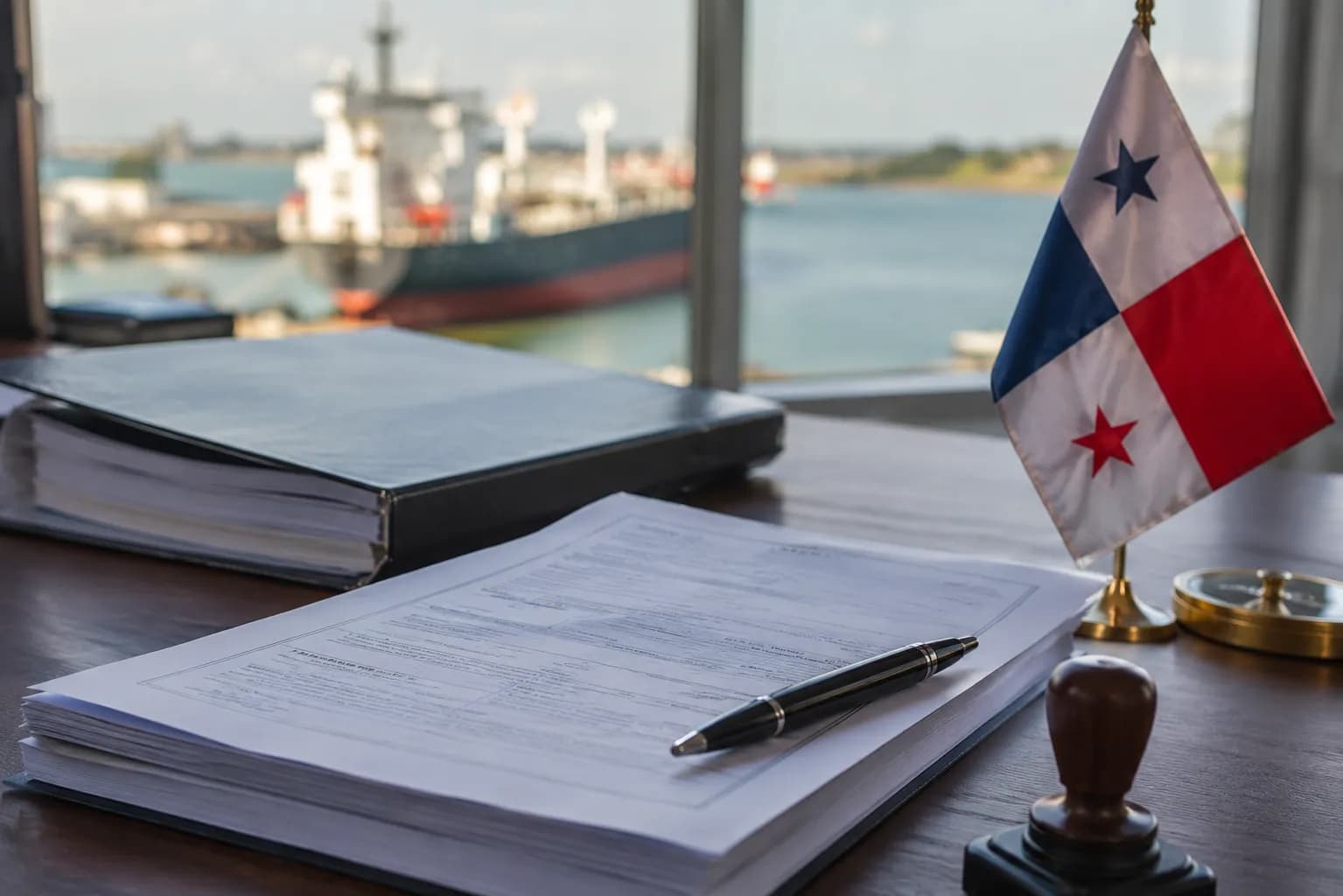
International vessel transactions are now far more document-intensive than in the past.
Commercial vessel acquisitions and yacht transactions often involve multiple jurisdictions, financial institutions, mortgage registrations, deletion certificates, beneficial ownership declarations, escrow coordination, and cross-border closings.
For buyers, a key concern in 2026 is reducing operational and registration risk before releasing funds or transferring ownership.
This is particularly important in used vessel acquisitions, special-situation asset purchases, offshore ownership structures, and transactions financed by international lenders.
In many transactions, legal coordination now plays a more central role than administrative registration processing.
Learn more about the legal assistance related to vessel purchase and sale transactions in Panama.
Growth of yacht registration and private maritime structures
Panama also continues to attract private vessel owners, yacht structures, and highly mobile international investors seeking flexible ownership and navigation solutions.
Part of this demand is driven by Latin American wealth migration, international mobility planning, asset protection strategies, and cross-border estate structuring.
Unlike purely commercial fleets, private yacht owners tend to be more sensitive to confidentiality, operational simplicity, international navigation flexibility, and long-term ownership planning.
This has increased the use of corporate ownership structures, private interest foundations, and multi-jurisdictional holding arrangements linked to maritime assets.
However, the yacht sector is also becoming more compliance-sensitive, especially regarding ownership transparency and banking relationships connected to offshore structures.
Maritime certifications and operational documentation
Beyond vessel registration, operational compliance is increasingly document-intensive.
Depending on the type of vessel and activity, operators may require provisional and permanent patents, radio licenses, crew endorsements, navigation certificates, statutory compliance certificates, and technical documentation tied to international maritime conventions.
Turnaround times and administrative agility are increasingly important because documentation delays can directly affect charter operations, insurance validity, port entry, and financing conditions.
For commercial operators, keeping maritime documentation up to date has become not only a regulatory matter, but also a question of operational continuity.
Explore our maritime certification and vessel documentation assistance services in Panama.
Why Panama remains competitive despite global pressure
The maritime industry is entering a stage in which scale alone is no longer enough for the major registries.
Shipowners increasingly assess compliance responsiveness, international perception, registry efficiency, administrative consistency, and legal predictability.
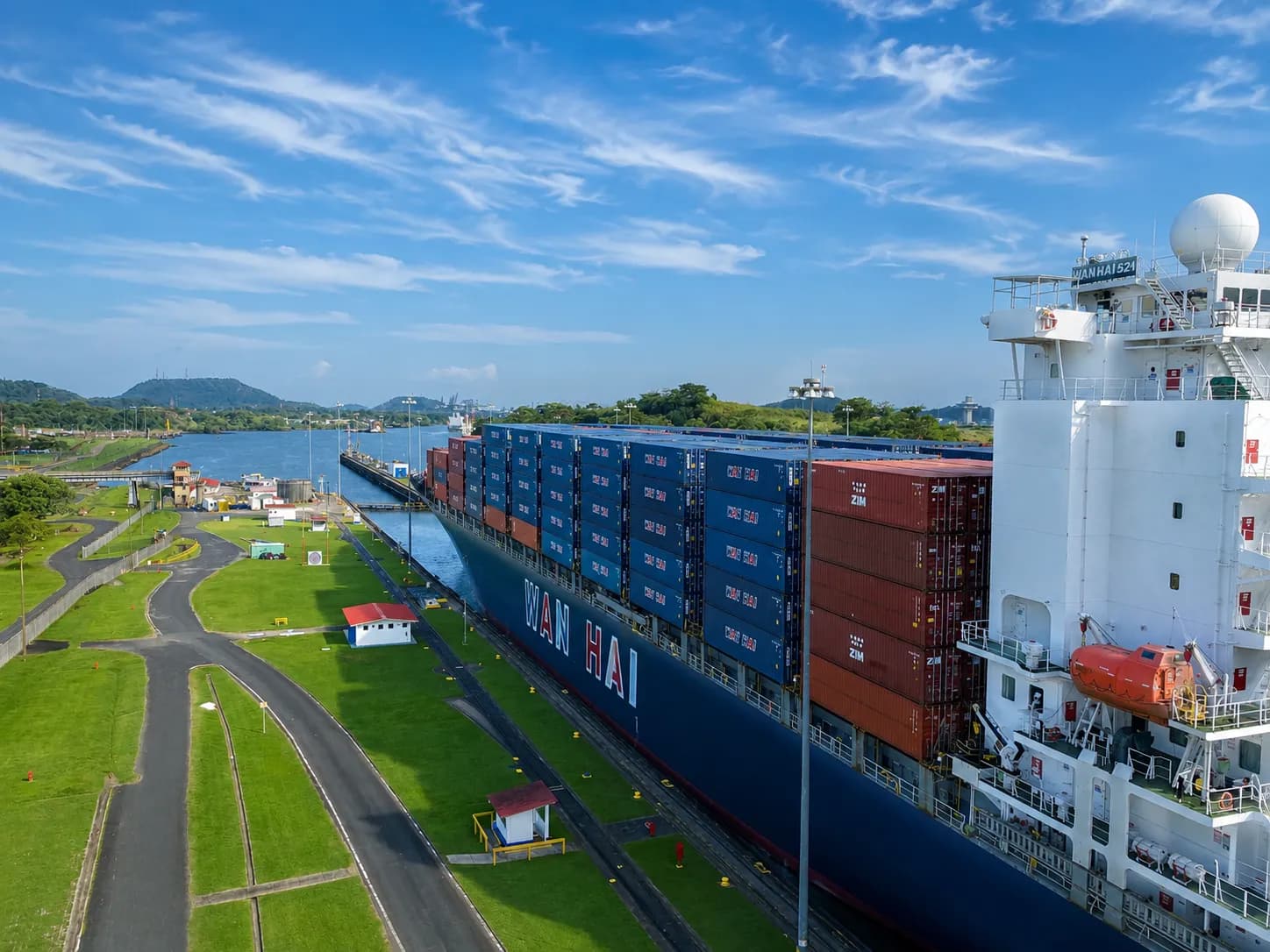
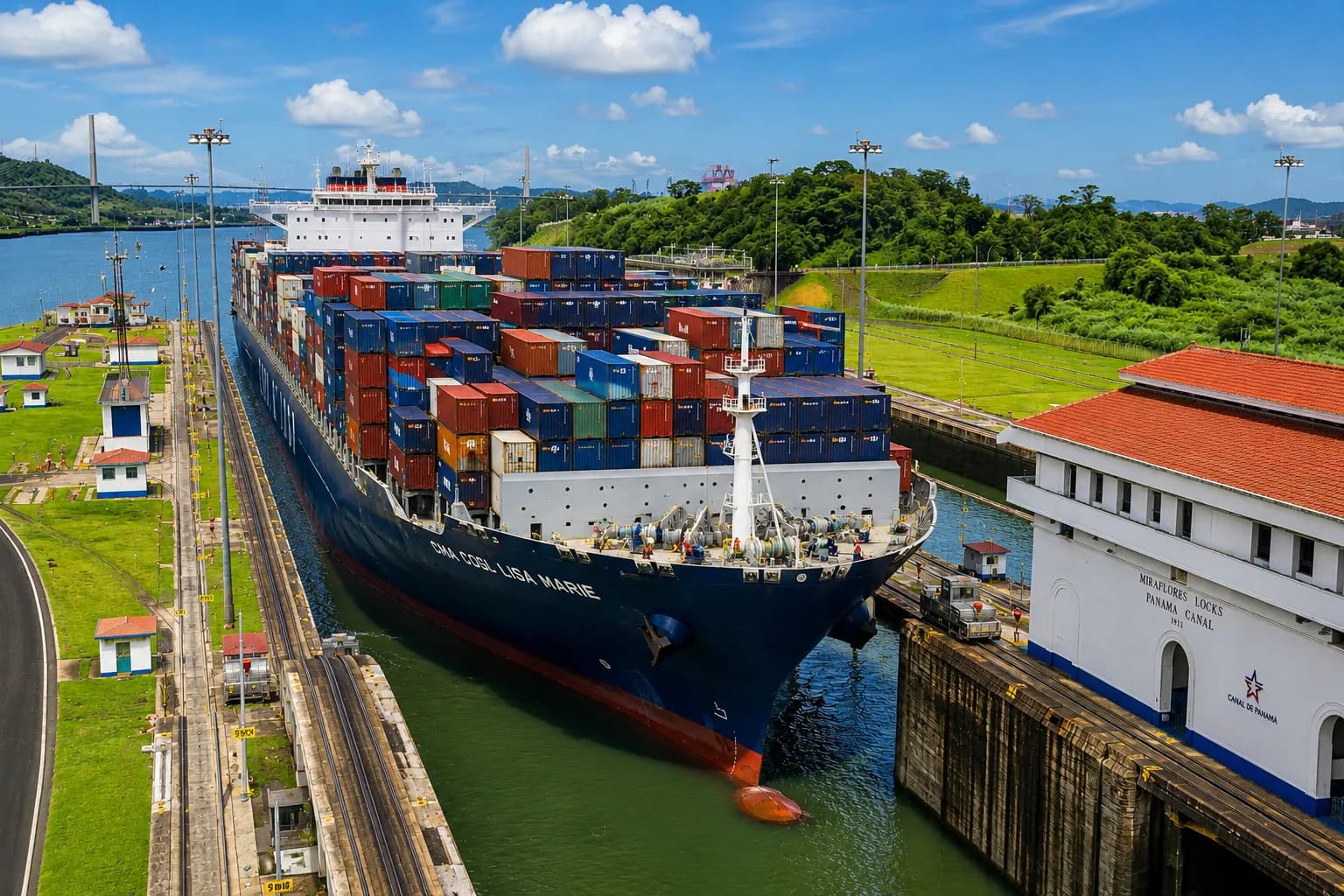
Even under growing international scrutiny, Panama continues to benefit from structural advantages that are difficult to replicate: the Panama Canal ecosystem, maritime legal infrastructure, international service providers, banking connectivity, and historical integration in global maritime operations.
For many operators, Panama continues to represent one of the most practical jurisdictions for balancing operational flexibility with large-scale international maritime infrastructure.
Outlook for Panama's maritime sector in 2026
The maritime sector entering 2026 is heavily influenced by geopolitical instability, sanctions enforcement, environmental regulation, fleet modernization, and the realignment of global trade.
These pressures are changing the way shipowners assess vessel registration, ownership structures, financing, and operational jurisdictions.
At the same time, Panama remains deeply integrated into global maritime activity and international logistics.
Although the industry is becoming more complex and compliance-oriented, the Panama flag maintains a central role in the international maritime sector, especially for operators seeking scale, flexibility, and established global infrastructure.
Legal and operational coordination is increasingly important for shipowners operating across multiple jurisdictions, financing structures, and regulatory frameworks.