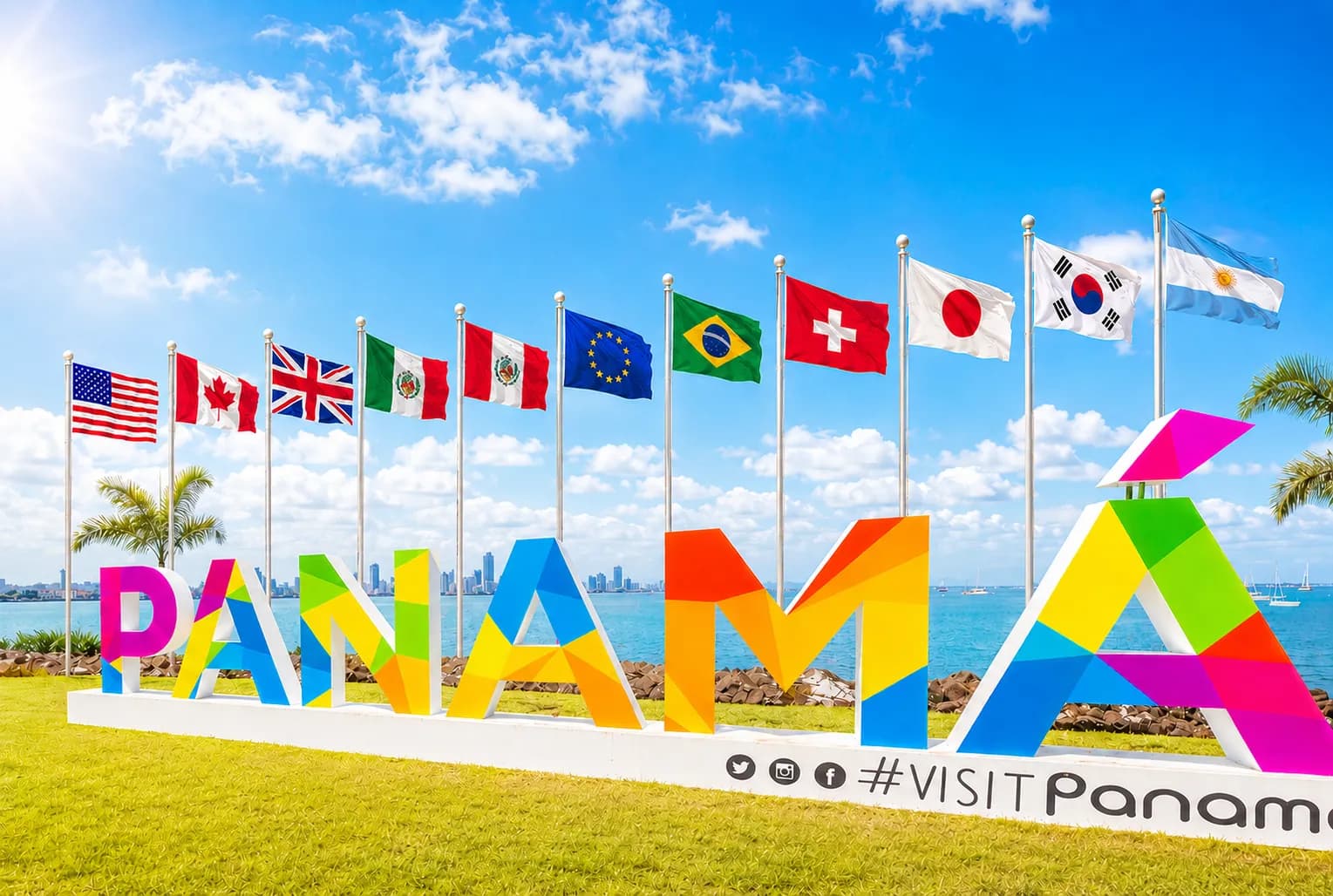
Immigration
Residency for citizens of more than 50 countries with economic or professional ties to Panama. Qualify through property, a bank deposit, or employment, with work authorization and a path to citizenship.
The Panama Friendly Nations Visa is one of the country's most recognized residency programs, designed for citizens of countries that maintain close professional, economic, and diplomatic relations with the Republic of Panama.
This immigration category offers a path to obtaining residency in Panama through:
Real estate investment
Fixed-term bank deposit
Employment contract with a Panamanian company
Compared with other residency categories in Panama, the Friendly Nations Visa offers significant immigration advantages available exclusively to the eligible nationalities recognized by the Panamanian government.
These preferential benefits apply solely based on the nationality of the principal applicant. The nationality of dependents does not affect eligibility, so spouses, parents, and children of any nationality can generally be included in the same application under the qualified principal applicant.
Citizens of the following countries may qualify under Panama's Friendly Nations Visa program:
Andorra, Argentina, Australia, Austria, Belgium, Brazil, Canada, Chile, Costa Rica, Croatia, Cyprus, Czech Republic, Denmark, Ecuador, Estonia, Finland, France, Germany, Greece, Hong Kong, Hungary, Ireland, Israel, Japan, Latvia, Liechtenstein, Lithuania, Luxembourg, Malta, Mexico, Monaco, Montenegro, Netherlands, New Zealand, Norway, Paraguay, Peru, Poland, Portugal, San Marino, Serbia, Singapore, Slovakia, South Africa, South Korea, Spain, Sweden, Switzerland, United Kingdom, United States of America, Uruguay.
The principal applicant can generally include:
Spouse
Parents of the principal applicant
Dependent children up to 25 years of age
Dependents may obtain residency together with the principal applicant regardless of their nationality.
Before traveling to Panama, applicants generally require approximately 30 days to:
Prepare supporting documents
Obtain apostilles or legalizations
Complete immigration due diligence
Coordinate banking, investment, or employment documentation
This stage may vary depending on the country issuing the documents and the complexity of the applicant's profile.
If the applicant wishes to structure their residency through a corporate or business activity, the incorporation of a Panamanian company can normally also be coordinated at this stage, including the definition of shareholders, directors, officers, share issuance, and the corporate documents needed to support the economic purpose of the application.
If the documents are in a language other than Spanish, they must be translated by an authorized public translator in Panama.
Applicants must travel to Panama to:
Review and sign immigration documentation
File the residency application with the National Immigration Service
Complete local registrations
Process the endorsement of the employment contract when applying under the employment option
This stage generally requires the applicant's physical presence in Panama for approximately 5 to 10 business days.
In addition, this visit can be used to carry out complementary procedures, such as:
Opening or starting the process of opening a bank account in Panama.
Signing of corporate documents, if applicable.
Legal, tax, or banking coordination meetings.
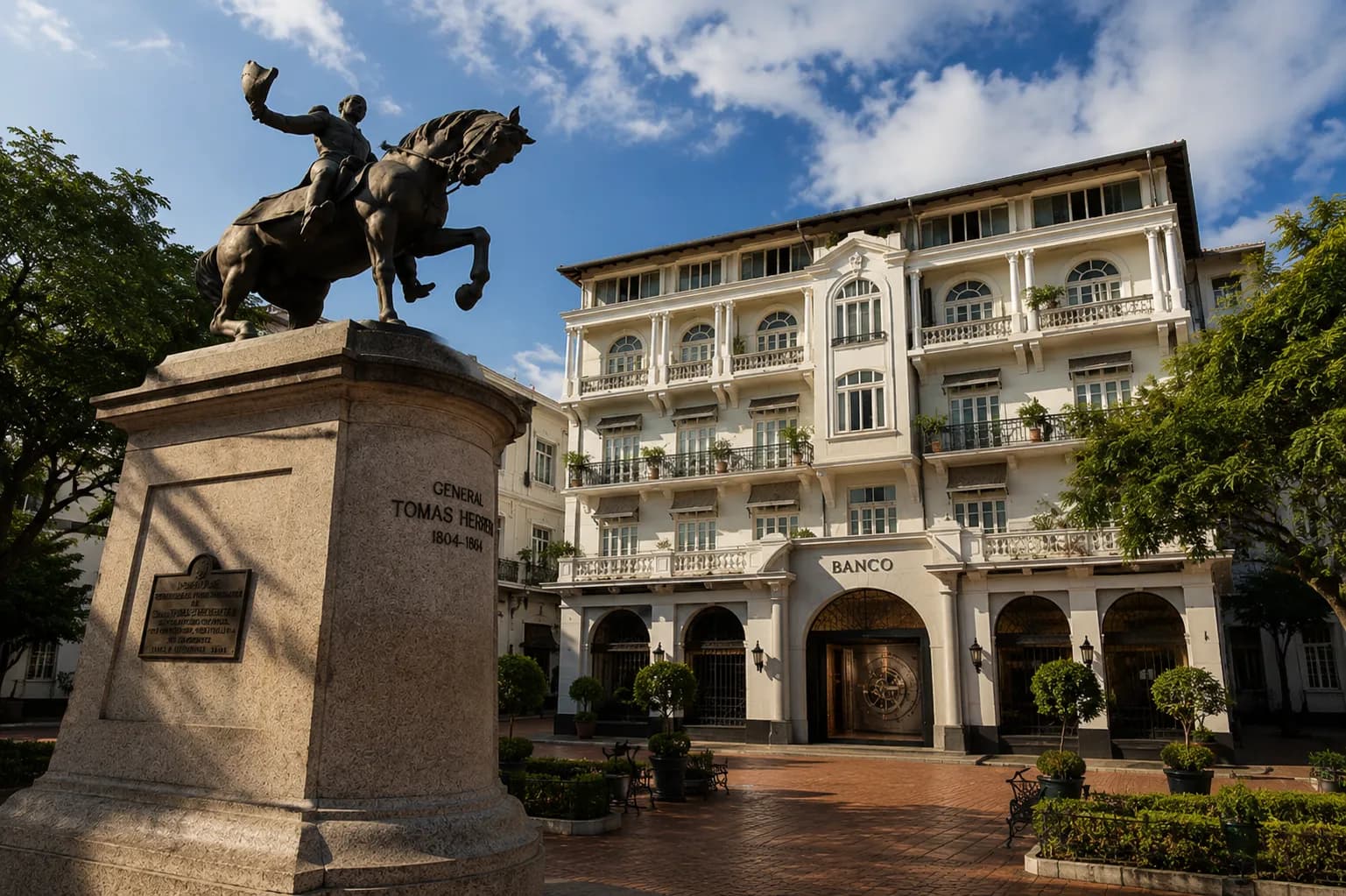
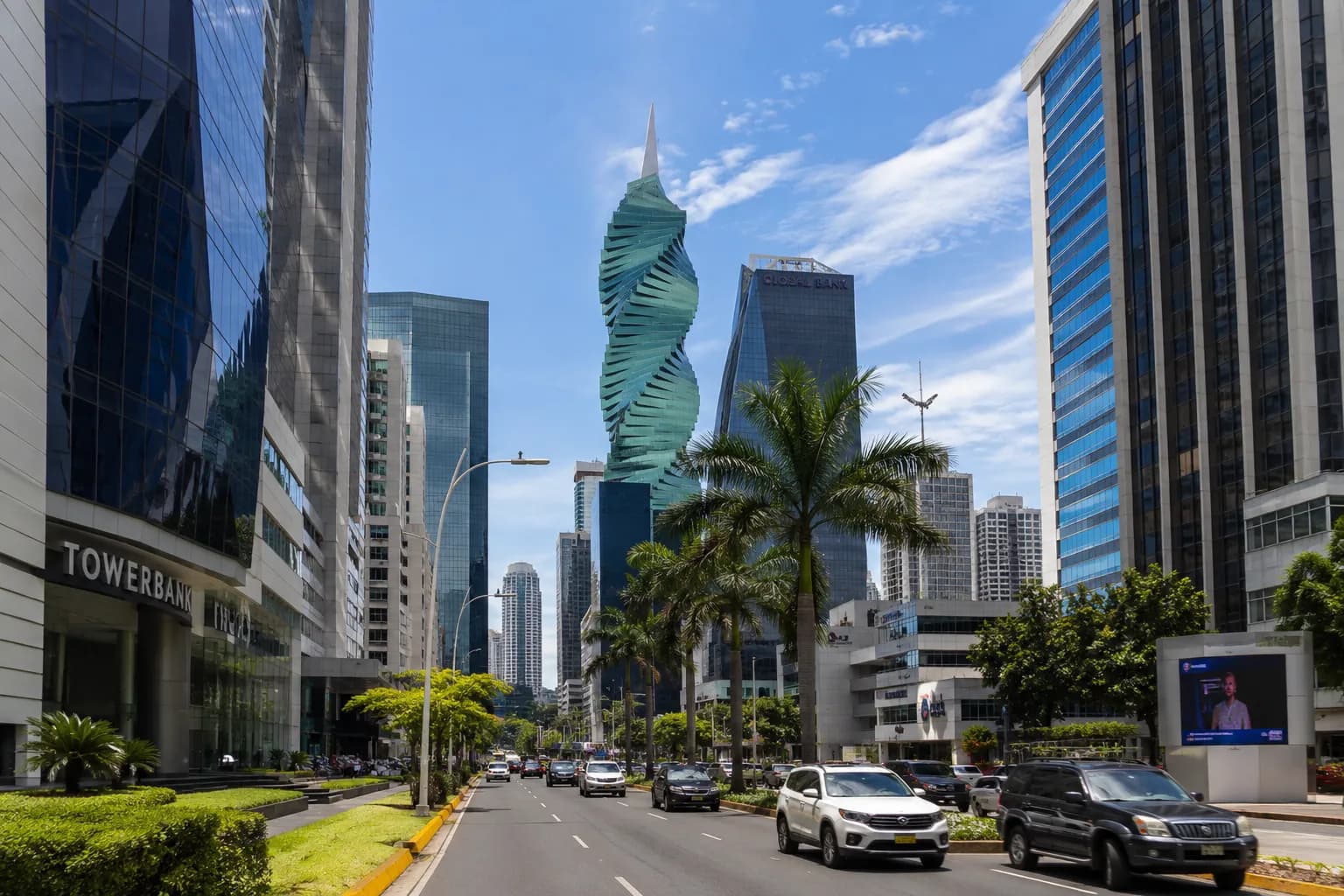
A visit to Panama City to get to know residential, commercial, banking, and other areas of interest for your future relocation.
After filing, the National Immigration Service reviews the application and verifies compliance with the immigration requirements.
During this period, applicants generally hold temporary immigration documentation while the residency application remains under review.
Once the residency application is approved, the applicant must return to Panama in person to:
Photographic registration
Issuance of the provisional residency card
This final stage generally requires approximately 2 business days in Panama.
The Friendly Nations Visa remains one of the most attractive residency paths in Panama due to its:
Multiple qualification options
Access to permanent residency
International banking environment
Territorial tax system
Business-friendly legal framework
Strategic location and global connectivity
Panama's Friendly Nations Visa is governed by the following legal provisions:
Executive Decree No. 416 of 2012
Executive Decree No. 197 of 2021
Executive Decree No. 226 of 2021
These regulations establish the eligible nationalities, immigration requirements, qualified economic and professional activities, residency procedures, and conditions applicable to applicants under the Friendly Nations Visa program.
Note: The Friendly Nations Visa is available only to nationals of the countries officially included in the list of Friendly Nations established by Panamanian immigration regulations. Although most European Union member states are included, some countries such as Italy, Romania, and Bulgaria are not part of the current Friendly Nations program. Italian nationals may still qualify for alternative immigration benefits under the Panama–Italy Treaty of Friendship. Eligibility should always be confirmed based on the nationality of the applicant's passport at the time of applying.
Common questions answered before your consultation.
Panama's Friendly Nations Visa is available to citizens of countries recognized by Panama for maintaining friendly professional, economic, and diplomatic relations. Eligibility is based on the nationality of the principal applicant, while dependents can generally be included regardless of their nationality.
Applicants can qualify through real estate investment, a fixed-term bank deposit, or an employment contract with a Panamanian company. Each route has different documentary, investment, banking, or employment requirements, so the best option depends on the applicant's profile and their long-term objectives.
Yes. The principal applicant can generally include a spouse, parents, minor children, and dependent children between 18 and 25 years of age. Family applications must include proof of kinship, personal documents, and supporting financial or immigration documentation.
The Friendly Nations Visa can be linked to work authorization depending on the qualification route selected, especially when the applicant qualifies through employment. Work permit procedures are separate from immigration approval and must be coordinated carefully to avoid compliance issues.
Related topic: Friendly Nations Visa — Employment Contract.
This visa is attractive because it offers a recognized residency route for eligible nationalities, family inclusion, investment or employment flexibility, and potential long-term residency benefits. A boutique legal strategy helps applicants choose the route that best aligns with their immigration, business, and lifestyle objectives.
Schedule your initial consultation and let us guide you through the process. We respond within 1 business day.
Schedule a ConsultationPick the one that fits your situation