Corporate
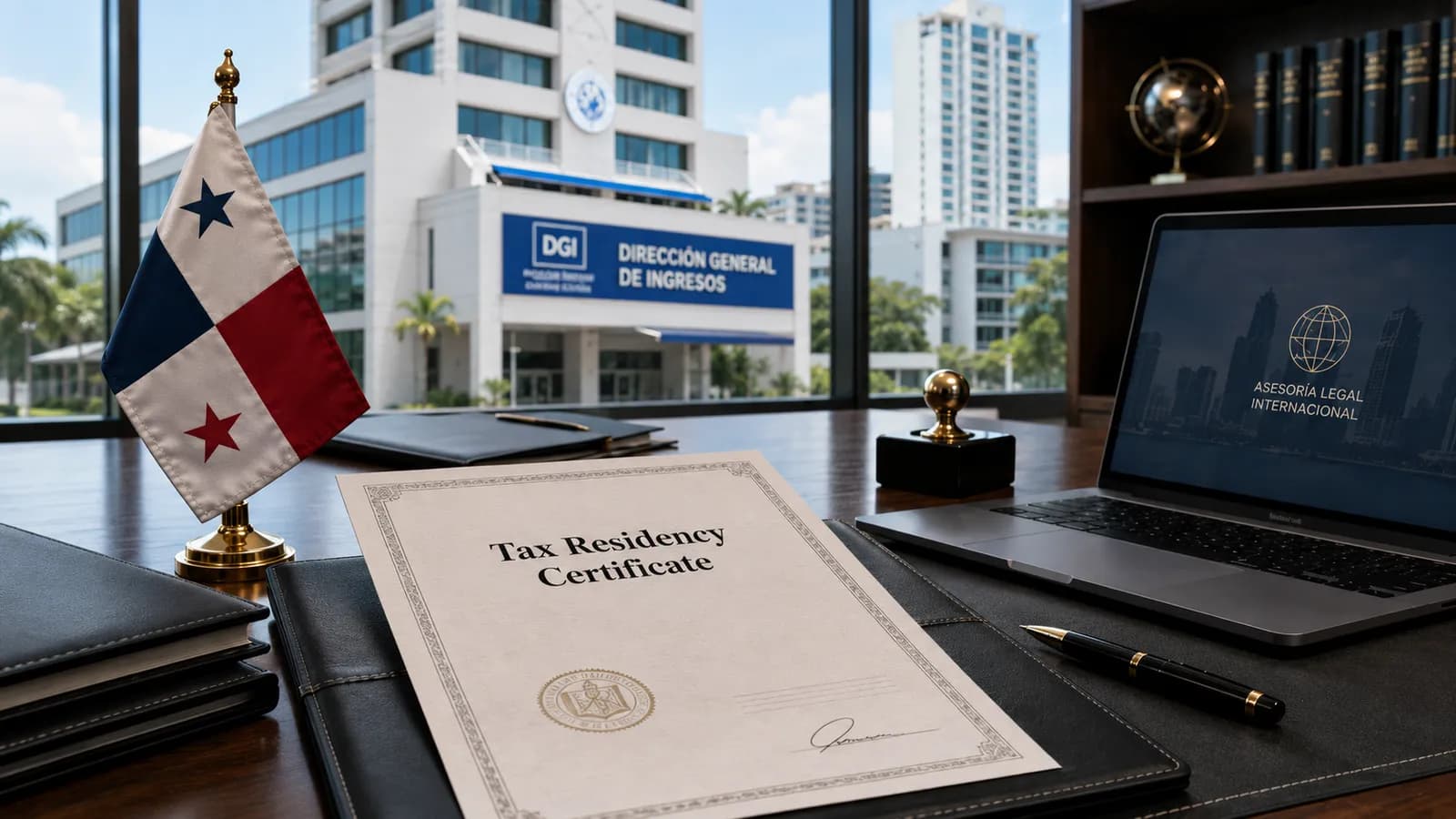
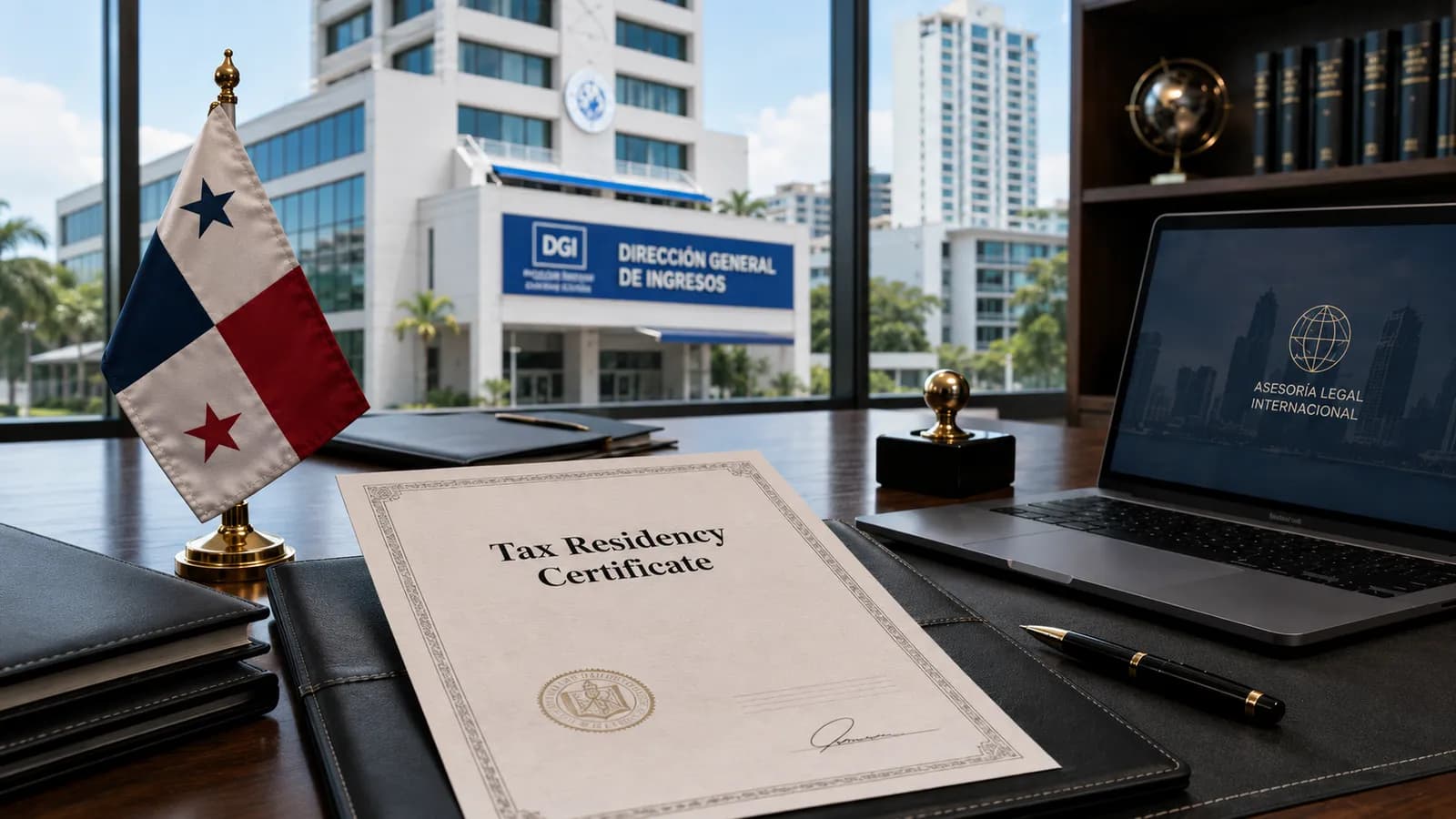
The Tax Residency Certificate for Individuals in Panama is a document that makes it possible to prove that a private individual may be considered a Panamanian tax resident for a given tax period.
The Tax Residency Certificate for Individuals in Panama makes it possible to prove, before foreign authorities, international banks, financial institutions or private counterparties, that a person may be considered a Panamanian tax resident for a given period.
This service is especially relevant for foreigners who live, invest, work, retire or maintain family and asset-based ties in Panama.
At M. George & Asociados, we assist individuals in the assessment, preparation and follow-up of their tax certificate application, with a boutique, preventive and personalized approach.
The Tax Residency Certificate for Individuals is usually requested by:
Foreigners with legal residency in Panama.
Permanent residents who need to document their tax status.
Pensioners or retirees who live in Panama.
Real estate investors.
Entrepreneurs with local economic activity.
Independent professionals.
People with family established in Panama.
Clients with international bank accounts.
People subject to CRS or KYC review.
People who wish to apply benefits under a double taxation treaty.
People who need the certificate for general use, even where no applicable tax treaty exists.
An individual may need a Panamanian tax certificate to:
Prove tax residency before a foreign tax authority.
Apply for benefits under a double taxation treaty.
Respond to requirements from international banks.
Justify their tax residency under CRS.
Document their center of life or economic interests.
Provide supporting evidence to custodians, brokers or financial platforms.
Avoid inconsistencies between immigration residency, tax residency and economic activity.
Support a relocation, investment or asset planning strategy in Panama.
For a foreigner, legal residency is usually one of the first elements that must be reviewed. It does not automatically make the person a tax resident, but it can strengthen the file when accompanied by physical presence, domicile and genuine ties with Panama.
The immigration categories that usually connect best with a tax strategy are:
Pensionado Visa in Panama, for retirees with lifetime income and a stable life in the country.
Economic Solvency Visa in Panama, for people who demonstrate financial capacity through real estate, a bank deposit or both.
Panama Qualified Investor Visa, for investors seeking permanent residency through an approved investment.
Friendly Nations Visa in Panama, for professionals, entrepreneurs or workers with economic ties in Panama.
Panama-Italy Treaty Visa, for Italian citizens who wish to establish permanent residency in Panama.
For clients who are still assessing their immigration status, it can be helpful to review the guide How to obtain residency in Panama in 2026: A complete guide for foreigners.
Physical presence in Panama is one of the most important factors in assessing an individual.
Before filing the application, it is advisable to review:
Entries into and exits from the country.
Length of stay in the requested tax year.
Prolonged absences.
Consistency between physical presence and domicile.
Economic activity carried out during the period.
Possible tax residencies in other countries.
Immigration movements must be reviewed before submitting the file, because they can confirm or weaken the tax residency narrative.
The income tax return can be an important element when the person generates taxable income in Panama or maintains local economic activity.
Not all foreigners with international income are in the same tax situation. That is why it is important to review whether there is Panamanian-source income, professional activity, salary, business, rentals, local services, investments or commercial participation.
A stronger file may include:
Income tax returns, where applicable.
Income certifications.
Employment or professional contracts.
Evidence of economic activity.
Certifications from an authorized public accountant.
Proof of tax payments, if applicable.
Tax clearance certificate, when necessary.
Tax consistency is critical. Immigration, banking, asset-related and tax information must be aligned.
Investment in real estate can help demonstrate domicile, asset-based roots and an economic connection with Panama.
It can strengthen the file when there is:
An owned home used as a residence.
Property registered in Panama.
Receipts or payments linked to the property.
Actual use of the property.
Consistency between legal residency, physical presence and investment.
Economic activity related to rentals, if applicable.
Buying a property does not by itself guarantee tax residency, but it can be an important piece within a well-documented strategy. In these cases, it is advisable to coordinate the application with Property Purchase & Sale Legal Assistance in Panama and to review the article Analysis of Panama's real estate market 2026.
A Panama Corporation or a Private Interest Foundation in Panama can indirectly support an individual's profile when there is a genuine relationship with investments, business activity, real estate or asset planning.
These structures can be useful to demonstrate:
Participation in local businesses.
Management of investments.
Holding of real estate.
Asset organization.
Documented commercial activity.
Economic ties with Panama.
However, incorporating a corporation or foundation does not automatically make an individual a Panamanian tax resident. The person must demonstrate their own elements of residency, presence, domicile, economic activity and genuine ties with Panama.
For clients with asset structures, it can be helpful to review the article Panama Corporation vs Private Interest Foundation 2026.
Family ties can influence the assessment of tax residency, especially when the applicant maintains their personal life, spouse, children or family nucleus in Panama.
The following may be relevant:
Spouse living in Panama.
Children studying or residing in Panama.
Family home.
Economic dependents.
Social and community integration.
Center of personal life in Panama.
Family does not replace physical presence or tax compliance, but it can strengthen the file when it is consistent with the rest of the documents, especially when it is difficult to meet the 183-day stay.
Requirements may vary depending on the applicant's profile, the purpose of the certificate and the requested tax year. In general, an application may include:
A letter addressed to the Dirección General de Ingresos.
The applicant's particulars.
Exact address in Panama.
Email address and contact number.
Activity carried out in Panama.
Indication of the applicable treaty or request for general use.
Requested tax year.
Explanation of the reasons why the certificate is required.
Certified copy of the complete passport.
ID card or residence card, if applicable.
Certification of immigration movements.
Public Registry certificate for the property or rental agreement.
Utility bills in the applicant's name.
Documentation evidencing ties with Panama.
Income tax return or tax documentation, where applicable.
Supporting family, asset-related or corporate documents.
We review legal residency, physical presence, nationality, domicile, family, economic activity, investments and the purpose of the certificate.
We determine the requested period and verify whether the available documentation supports that year.
We identify the necessary immigration, tax, banking, family, asset-related and residence documents.
We organize the letter, arguments, annexes and documents that support the tax resident status.
We accompany the procedure before the relevant authority and follow up on any requirements.
We provide guidance on copies, authentications, apostilles or additional documentation when the certificate will be presented before foreign banks or authorities.
Common questions answered before your consultation.
It is normally requested by people who need to prove to banks, foreign authorities or tax advisors that they meet tax residency criteria in Panama during a given tax period. The assessment usually considers length of stay, center of interests, immigration residency, income, economic activity and investments.
Not necessarily. Immigration residency is a relevant element, but the tax certificate requires tax and documentary analysis. That is why it differs from an immigration visa such as the Pensionado Visa or the Qualified Investor Visa, which govern legal stay in the country.
A passport, residence card, proof of domicile, immigration movements, tax returns or tax records, income documents, proof of economic activity, bank statements, contracts, evidence of investments and any supporting material that demonstrates personal or economic ties with Panama may be requested.
It can serve to support tax residency declarations, CRS/FATCA processes, bank compliance, tax treaty analysis or asset profile review. When the purpose is banking-related, it is advisable to coordinate it with Legal Assistance for Bank Accounts in Panama to avoid inconsistencies.
The relevant tax period and the evidence available for that year must be analyzed. Meeting current requirements is not enough if a certificate is requested for a prior period; the documentation must demonstrate the applicant's tax situation during the year under review.
Schedule your initial consultation and let us guide you through the process. We respond within 1 business day.
Schedule a ConsultationConsider the other available options within the same program